
NHS Contraception Service in Barnsley — No GP Needed
NHS Pharmacy First — Treat 7 Common Conditions Without a GP Appointment. Learn more →
What's Included
- Combined oral contraceptive pill initiation and continuation
- Progestogen-only pill (mini pill) initiation and continuation
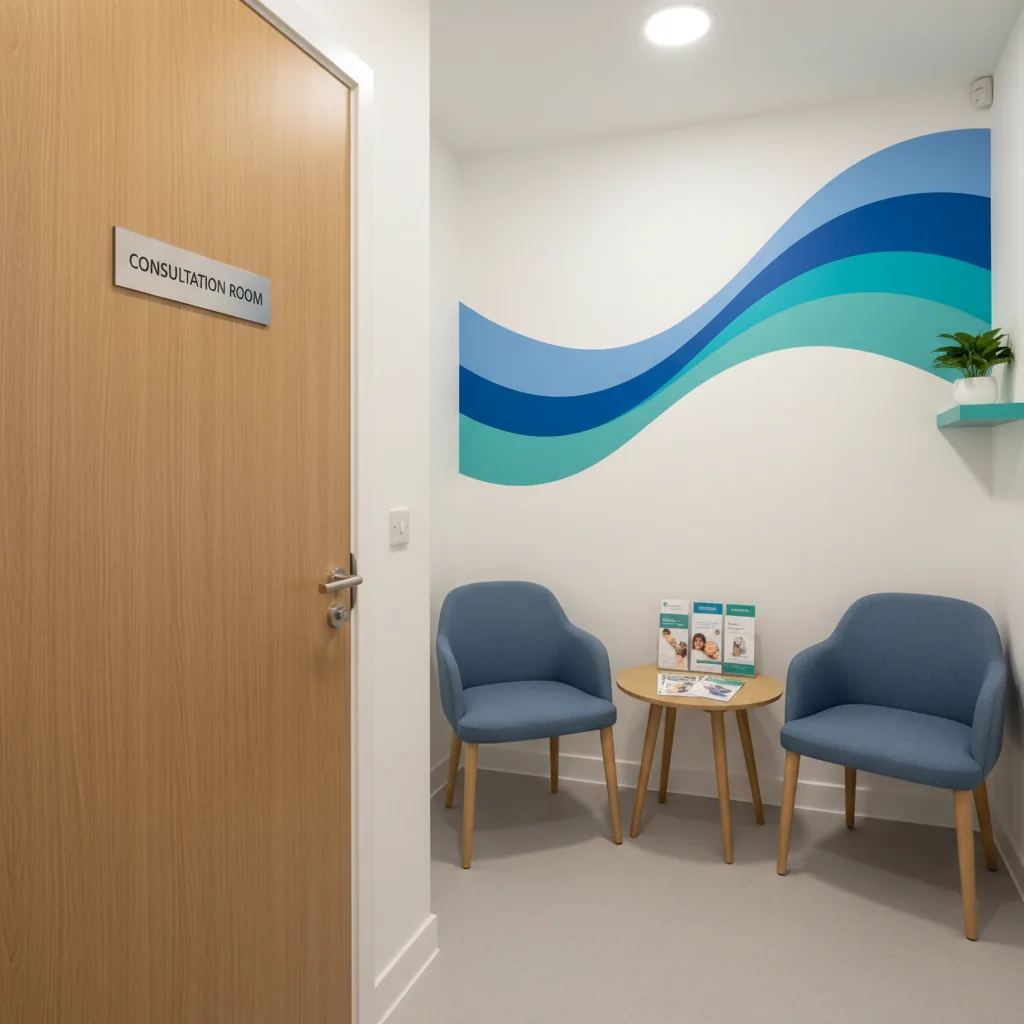
- Confidential consultation in a private consultation room
- No GP referral or appointment required
- Blood pressure check included with every consultation
- Ongoing monitoring and annual reviews
- Free NHS prescription for eligible patients
How It Works
Confidential Consultation
Speak privately with a pharmacist in our consultation room. You'll be asked about your medical history, current medications, blood pressure, and contraceptive needs. Everything is completely confidential.
Assessment & Prescription
Your pharmacist assesses your suitability for oral contraception using evidence-based clinical criteria. If appropriate, a prescription is issued on the same day — no waiting for a GP appointment.
Supply
Your contraceptive pill is dispensed immediately from the pharmacy. You'll receive clear instructions on how and when to take it, what to do if you miss a pill, and which medications might affect it.
Follow-Up
A follow-up is offered at 3 months and then annually. At each visit your blood pressure is checked and any questions or concerns are addressed.
NHS Contraception — Available Now in Barnsley
No GP referral needed · Free (NHS) · Walk in or book ahead
The NHS Pharmacy Contraception Service: A New Way to Access the Pill
In 2023, NHS England expanded its pharmacy contraception service to allow community pharmacists to initiate and continue oral contraception without a GP appointment. This change was significant: previously, women needing to start or continue the pill had to book a GP or sexual health clinic appointment — often waiting days or weeks. In an area like Barnsley where GP access is constrained, this delay presented a genuine risk of unintended pregnancy for women unable to access timely contraception.
At Brampton Village Pharmacy, our pharmacist can now prescribe both the combined oral contraceptive pill (COC) and the progestogen-only pill (POP), either for the first time or as a continuation of an existing prescription. A thorough clinical assessment is carried out at every initiation consultation — and this service is provided free on the NHS with no prescription charge for the medication.
This service does not replace your GP for more complex contraceptive needs. Intrauterine devices (IUDs/coils), implants, injections, and patches are not available at the pharmacy. But for the large proportion of women who use oral contraception, the pharmacy offers a faster, more accessible, and equally safe alternative to GP prescribing.
Combined Pill vs Mini Pill: Understanding Your Options
The combined oral contraceptive pill (COC) contains both oestrogen and progestogen. It works primarily by preventing ovulation, and also thickens cervical mucus and thins the uterine lining. The COC is highly effective (over 99% when taken correctly), often regulates and lightens periods, and can improve conditions such as acne, endometriosis symptoms, and painful periods. It is taken daily for 21 days followed by a 7-day break — or continuously with some newer formulations.
The progestogen-only pill (POP, or mini pill) contains only progestogen. Most modern POPs (including desogestrel-based pills) work primarily by preventing ovulation in approximately 97% of cycles. Unlike the COC, the POP can be safely taken by women for whom oestrogen is contraindicated — including smokers over 35, women with a history of blood clots or migraine with aura, and those who are breastfeeding. It is taken continuously with no pill-free break.
The choice between COC and POP depends on your medical history, risk factors, and preferences. Your pharmacist will work through the clinical assessment with you and recommend the most appropriate option. If you have used the pill before and experienced side effects such as mood changes or breakthrough bleeding, switching formulation often resolves these issues.
Blood Pressure, Clinical Safety, and the Contraceptive Pill
Every contraceptive consultation at Brampton Village Pharmacy includes a blood pressure check. Oestrogen-containing pills can raise blood pressure in some women, and hypertension significantly increases the arterial risk associated with the combined pill. Before initiating a COC, a baseline blood pressure measurement is essential. If your blood pressure is elevated (above 140/90 mmHg), combined pills may not be appropriate and alternatives will be discussed.
Other clinical factors assessed include your BMI, smoking status, personal or family history of blood clots, history of migraines (with or without aura), liver conditions, and current medications that might interact with hormonal contraception. Your pharmacist uses the UK Medical Eligibility Criteria for Contraceptive Use (UKMEC) — the same clinical framework used by GPs and sexual health clinicians — to assess your eligibility.
Annual reviews are an important part of ongoing contraceptive safety. At each review, your blood pressure is rechecked and any changes in your health are considered. If you experience persistent headaches, visual disturbances, leg pain or swelling, chest pain, or shortness of breath while on the pill, stop taking it and seek urgent medical advice.
Missing a Pill and Drug Interactions: What You Need to Know
The contraceptive effectiveness of the pill depends on consistent, correct use. Missing pills — particularly at the start or end of a pill-free break — can significantly reduce effectiveness. What to do depends on the type of pill, how many have been missed, and where you are in your cycle. Your pharmacist will explain the specific missed-pill rules for your chosen formulation at your consultation.
Certain medications can reduce the pill's effectiveness through enzyme induction — speeding up its metabolism in the liver. The most important enzyme-inducing medicines include rifampicin (antibiotic), carbamazepine, phenytoin, and St John's Wort (herbal remedy). These require alternative contraception or a higher-dose pill. Importantly, most standard antibiotics do NOT reduce pill effectiveness, despite a common and persistent myth to the contrary.
If you start any new medication while taking the pill — whether prescribed or bought over the counter — let your pharmacist know so we can check for interactions. Our dispensing team checks interactions automatically when dispensing new prescriptions alongside contraception.
What We Treat
Frequently Asked Questions
We Also Serve These Areas
Brampton Village Pharmacy provides NHS Contraception to patients across South Yorkshire. Select your nearest area for local information, distances, and area-specific guidance.
Related Clinical Services
Other NHS and private pharmacy services available at Brampton Village Pharmacy — no GP referral needed.
Emergency Contraception
Same-day access to emergency contraception at Brampton Village Pharmacy. Levonorgestrel (Levonelle) and ulipristal acetate (ellaOne) available. Confidential, non-judgemental consultation.
Learn more →
Women's Health Services
PrivateConfidential women's health consultations covering UTI treatment, thrush, and vaginal health — assessed and treated at the pharmacy the same day without needing a GP appointment.
Learn more →
Pharmacy First
NHSNHS Pharmacy First lets you see a pharmacist for clinical assessment and treatment of 7 common conditions — without needing a GP appointment. Same-day access, no referral needed.
Learn more →
Ready to Book NHS Contraception?
No GP referral needed. Walk in or book online — we're here when you need us.